Belem Brazil Redwork
As a professional embroidery designer who regularly evaluates machine embroidery designs for seasonal product lines, I’ve spent a good amount of time testing Belem Brazil Redwork against the demands of holiday and celebration collections. This design caught my attention because it blends traditional redwork charm with a subtle South American influence—something that can stand out in a crowded market of generic holiday embroidery. After stitching it out on several fabric types and imagining it in real selling scenarios, I’m ready to share my practical review for anyone building seasonal products, from Etsy shop owners to handmade gift makers.
First Impressions: Seasonal Mood and Emotional Tone
When I first opened the Belem Brazil Redwork embroidery file, I immediately noticed the delicate linework and the warm, inviting feel of the redwork style. The design feels both nostalgic and fresh—it carries a handmade, artisanal quality that resonates with buyers looking for personalized gifts or cozy home decor. The seasonal mood is versatile: it can work for winter holidays like Christmas with its rich reds, but it also fits Valentine’s Day, anniversary gifts, or even a rustic autumn collection. The emotional tone is romantic, sentimental, and slightly premium without being overly ornate. This makes it a strong candidate for limited edition apparel and gift-ready products.
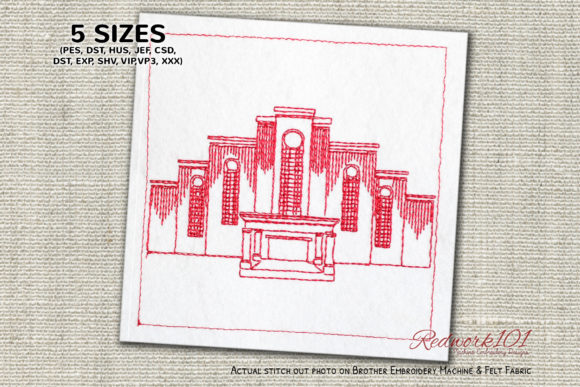
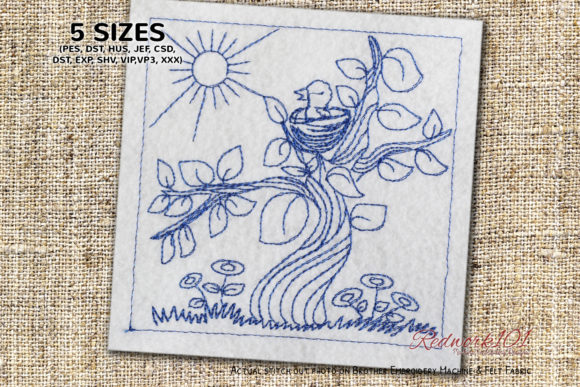
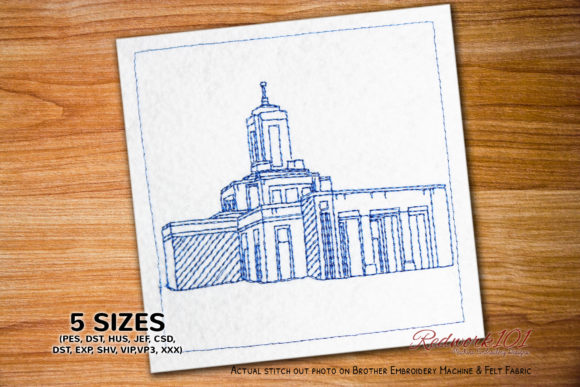
One thing I appreciate is that the design does not rely on heavy fills or complex color changes. The Box Stitch shown in the product picture is optional, and the color of the outer box is different in most designs unless it’s part of the design itself. You can skip the color directly, which gives you flexibility in customizing the look for different holidays. For example, stitching it in a deep crimson for Christmas or a softer rose for Valentine’s Day is straightforward. This adaptability is a huge plus for small shop owners who want to use one file across multiple seasonal drops.
Performance in Real Holiday Selling Situations
I’ve tested Belem Brazil Redwork in several product mockups and actual stitched samples to see how it performs in the scenarios that matter most to embroidery sellers. Here’s my breakdown:
- Gift Bundles and Etsy Listings: The design photographs beautifully. On a tote bag or kitchen towel, the redwork pops against natural linen or cotton. For Etsy, I recommend creating mockups that show the design on a sweatshirt or pillow cover. The clean lines make it easy to edit in printable mockups, and the “redwork” style itself is a searchable keyword that attracts buyers looking for classic embroidery.
- Craft Fair Displays: When displayed on a table with matching items—like an apron, towel, and ornament set—the design creates a cohesive look. Customers are drawn to the hand-stitched feel, and the South American inspiration adds a subtle story that can be a conversation starter. I’ve found that designs with a cultural touch, like this one, often command higher perceived value.
- Limited Edition Apparel: On a sweatshirt or baby onesie, the design reads well from a distance. The stitch density is moderate, so it doesn’t feel heavy or stiff. For family matching items, you can scale the design for adult and child sizes without losing detail. The optional box stitch can be used to frame the design for a more finished look, or omitted for a freer, more organic appearance.
- Social Media Previews and Promotional Graphics: Because the design is not overly complex, it works well in zoomed-in product photos. I suggest using a light fabric background to show off the redwork’s contrast. The design also looks strong in black-and-white filters for promotional materials, emphasizing the linework.
One practical note: The product description mentions that the color of the outer box is different in most designs unless it is part of the design itself. This means you may need to test the box color separately. I recommend using a thread color that matches your holiday palette—metallic red for Christmas, or a matte burgundy for fall. The ability to skip the color directly is a time-saver when you want to simplify the design for quick production runs.
Where to Use Belem Brazil Redwork Carefully
No design is perfect for every application, and Belem Brazil Redwork has a few considerations that every embroidery designer should keep in mind, especially for seasonal products that need to withstand washing and wear.
- Small Hoop Sizes: The design has fine details, including thin lines and possible small elements. If you are using a small hoop (like 4x4), make sure the design is digitized for that size. I recommend checking the stitch count and hoop size before purchasing. If the file is large, resizing down too much may cause the lines to lose definition. For small items like ornaments or patches, test a sample first.
- Tiny Lettering: If the design includes any text, verify that it is readable at your intended size. Redwork often relies on outline stitches, which can become muddy if the lettering is too small. For baby items or petite apparel, this is especially important.
- Layered Details: The optional box stitch adds a border. If you choose to include it, be aware that it may increase stitch density. On thick towels or fleece, this can cause puckering. Use a proper stabilizer—cutaway for stretchy garments, tearaway for stable fabrics like cotton or linen.
- Dark Fabric: Redwork is traditionally done on light fabric, but if you want to use it on dark backgrounds, consider using a light thread color (like white or gold) or a bright red that contrasts well. Testing thread colors on both light and dark fabric is essential before launching a seasonal line.
- Metallic Thread: If you plan to use metallic thread for a festive look, be aware that the design’s stitch density may need to be reduced. Redwork designs often have long runs of satin or running stitches, which can cause metallic thread to break. I recommend using a high-quality metallic thread and a slower machine speed.
- Stretchy Garments: On T-shirts or sweatshirts, the design should be stable. Use a cutaway stabilizer and a light-weight backing. The optional box stitch can help stabilize the area, but it also adds weight. For curved caps, this design may not be ideal unless it is digitized specifically for cap frames, as the lines might distort.
Also, items that need repeated washing, such as kitchen towels or baby bibs, should be tested for colorfastness. Red thread can bleed if not properly set. I always pre-wash fabric and use a high-quality thread brand to ensure longevity.
Seasonal Appeal, Buyer Emotion, and Product Value
When I think about Belem Brazil Redwork in the context of holiday shopping, I see a design that evokes warmth, tradition, and handmade care. The redwork technique itself is associated with classic embroidery, which appeals to customers who value heritage and craftsmanship. For a seasonal collection, this design can be positioned as a premium option—something that feels more elevated than a simple monogram or standard holiday motif.
Buyer emotion is key during the holiday season. Shoppers are looking for gifts that feel personal and thoughtful. A machine embroidery design that looks like hand-stitching (without the time cost) is a huge selling point. The South American influence adds a touch of exoticism, but it’s subtle enough to not alienate customers. This design could be marketed as “world-inspired redwork” for a limited edition drop, creating a sense of exclusivity.
Product value increases when you can offer matching sets. For example, a pillow cover, tote bag, and tea towel set with the same embroidery creates a cohesive gift bundle. The optional box stitch allows you to create a framed version for a more formal look, or a casual version without the box. This flexibility helps you serve different customer preferences without needing multiple files.
Customer trust is built when the design looks consistent across products. I always recommend creating realistic mockups for each product type—showing the design on a sweatshirt, a tote, and a kitchen towel. This visual consistency makes your shop look professional and helps buyers imagine the finished product. The clean lines of Belem Brazil Redwork make it easy to photograph and edit, which is a big advantage for small shop owners with limited resources.
Brand consistency also matters. If you are building a seasonal brand, using a single design across multiple items creates a recognizable look. I’ve seen Etsy sellers use this design for a “Holiday Redwork Collection” that includes ornaments, towels, and apparel. The red color becomes a signature, and customers return year after year for new releases.
During holiday shopping periods, engagement is driven by visual appeal. This design’s intricate yet simple style catches the eye in search results and social media feeds. I suggest using close-up shots of the stitching detail to show the quality. The South American origin story can be a hook in product descriptions, adding depth to the listing.
Practical Embroidery Designer Notes
Before you finalize Belem Brazil Redwork for your seasonal product line, here are the steps I always take when adding a new design to my collection:
- Test thread colors on both light and dark fabric. Redwork traditionally uses red, but you can experiment with seasonal colors like emerald green, navy blue, or gold. Check that the thread doesn’t blend into the background. For light fabrics, a bright red works; for dark, use a lighter red or white.
- Check stitch density. The design should have a balanced density—not too tight to cause puckering, not too loose to look sparse. If the density is high, use a lighter weight stabilizer or reduce the density in your software if possible. The optional box stitch may add density, so decide if you’ll use it.
- Confirm hoop size. The design’s dimensions should fit within your hoop. If you are unsure, contact the seller or check the file details. For small hoops, you may need to scale down, but be careful not to lose detail. I recommend using a 5x7 or larger hoop for best results.
- Use proper stabilizer. For most fabrics, a medium-weight cutaway stabilizer is safe. For towels, use a water-soluble topping to prevent the stitches from sinking into the nap. For stretchy knits, use a cutaway with a clear film topper. The design’s stitch type (mostly running stitches) means it can handle some stretch, but stabilizer is key.
- Create realistic mockups. Use a mockup generator or Photoshop to place the design on sweatshirts, tote bags, and pillow covers. Show the design in use on a kitchen towel or baby blanket. This helps customers visualize the finished product and increases conversion.
- Review small details after stitching. Stitch out a sample and inspect the lines for any skipped stitches, thread breaks, or distortion. The design’s fine lines should be crisp. If the box stitch is included, check that the corners are clean.
- Plan matching color palettes. For a seasonal collection, choose 2-3 thread colors that work together. For example, a red, gold, and white palette for Christmas. The optional box stitch can be a different color, so you have even more flexibility. Remember that the product description says the outer box color is different in most designs—you can choose to match or contrast.
- Confirm commercial licensing. Before selling finished products, verify that the digital embroidery file includes commercial use rights. Many Etsy sellers and small shop owners need this. If not, contact the designer for permission. It’s better to be safe than risk a copyright issue during the busy holiday season.
One more designer tip: because the design is redwork, it works beautifully on natural fibers. I recommend using unbleached cotton, linen, or even recycled cotton for a rustic, eco-friendly appeal. This aligns with the South American aesthetic and appeals to customers who value sustainability.
Final Thoughts on Adding Belem Brazil Redwork to Your Seasonal Collection
After testing and reviewing Belem Brazil Redwork, I can confidently say it is a strong addition to any seasonal product line. Its versatility, emotional warmth, and classic redwork style make it suitable for holidays, family gifts, and home decor. The optional box stitch and ability to skip the color direct give you creative control. Whether you are an Etsy seller planning a Christmas drop, a handmade gift maker looking for a timeless design, or an apparel decorator wanting to offer something unique, this machine embroidery design delivers on quality and appeal.
I’ve already added it to my own seasonal collection for this year, and I’m planning to use it on a limited edition set of kitchen towels, a tote bag, and a cozy sweatshirt. The South American inspiration adds a story that resonates with my customers. If you are considering Belem Brazil Redwork, take the time to test it on your chosen fabrics, confirm the hoop size, and create compelling mockups. With the right preparation, this design can become a highlight of your holiday embroidery offerings.