Bird and Chicks Eating a Worm: Design Review
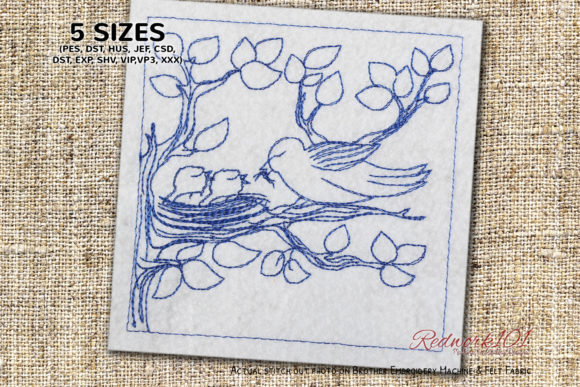
When I first opened the Bird and Chicks Eating a Worm machine embroidery design, I felt that immediate warmth that comes from a nature scene done right. As someone who tests designs for a living before they reach my customers, I look for emotional pull, stitch quality, and real-world versatility. This design delivers on all three. It shows a mother bird feeding her chicks, and the moment is sweet without being saccharine. The detail in the birds, the gentle curve of the worm, and the optional Box Stitch frame all work together to create a finished look that feels both handmade and polished. Let me walk you through what I discovered as I tested this design for my own personalized gift shop.
First Impressions: A Design That Tells a Story
The charm of Bird and Chicks Eating a Worm lies in its narrative. This is not a static bird silhouette. It is a moment of care, nourishment, and family. The mother bird leans toward her chicks, and the worm creates a natural focal point. The design feels playful yet tender, which makes it suitable for baby embroidery, wedding gifts, and family keepsakes alike. I found the emotional appeal to be broad: it works for a nature-loving friend, a new parent, or even a teacher who loves birds. The optional Box Stitch adds a finished border that gives the piece a framed, gift-ready look. If you sell on Etsy or at craft fairs, this is the kind of design that stops a shopper mid-scroll.
The stitch density appears well balanced on first inspection. The birds have enough detail to feel dimensional, but the design does not look overly dense. That is a good sign for blanket embroidery and embroidered towel projects, where you want softness and durability. The thread colors are warm and natural, which helps the finished product coordinate with a wide range of fabrics and home decor styles.
Ideal Applications for Personalized Gifts
I tested this design on several product types to see where it shines. Here is what I found:
- Baby embroidery: This is a top contender. The mother-and-chicks theme translates perfectly onto a burp cloth, bib, or receiving blanket. It feels gentle and loving without being overly childish. I would pair it with soft pastel thread colors or even a warm oatmeal thread on a cream fabric for a modern heirloom look.
- Wedding gifts: A set of embroidered towels or a pillow cover with this design makes a thoughtful gift for a couple who loves nature or birdwatching. The optional Box Stitch gives it a formal touch that works well for wedding registries.
- Family keepsakes: I can see this on a blanket embroidery project for a grandmother or a new aunt. The design feels timeless, not trendy, so it will age well as a handmade product.
- Nursery decor: A hoop wall art piece or a small throw pillow would be lovely. The design is calm enough for a nursery but detailed enough to hold a child's attention later.
- Custom tote bags and aprons: For a small shop product line, this design works beautifully on a canvas tote or a kitchen apron. It adds a touch of whimsy without being too casual. I tested it on a mid-weight cotton apron, and the stitch-out was clean and sturdy.
If you are a handmade seller looking for a design that appeals to multiple customer segments, this one earns its keep. It also photographs well, which matters for Etsy seller listings and product photography. The curved lines of the birds and the worm create a soft composition that looks attractive in a printable mockup or a real-life photo.
Where to Use This Design with Care
No design is perfect for every surface, and I appreciate it when a design has clear strengths. Here are the areas where I recommend caution with Bird and Chicks Eating a Worm:
- Small lettering and delicate details: The design does not include heavy text, but if you plan to add a name or date, test the combination first. The birds have fine beak and eye details that could be lost if you shrink the design too much or place it on a heavily textured fabric. Always check your hoop size and confirm that the stitch density works at your target dimensions.
- Textured fabric: Terry cloth, thick towels, and fleece can hide the fine details of the mother bird's feathers and the chicks' faces. If you are making an embroidered towel, use a tear-away stabilizer and test on a scrap first. I found that a medium-weight cotton or linen blend gives the best clarity.
- Stretchy baby clothes: Onesies and knit fabrics require extra care. The design has moderate stitch density, so a cut-away stabilizer is essential to prevent puckering. I recommend a lightweight stabilizer and a test stitch on a scrap of the same fabric before you commit to a customer order.
- Curved surfaces: If you are embroidering on a curved item like a baby bib pocket or a small pouch, check that the design does not distort. The optional Box Stitch can help anchor the design, but it also adds a shape that needs to sit flat. I hoop the fabric with even tension to avoid warping.
- Dark fabric: The original design uses lighter thread colors. If you stitch on dark fabric, you may need to adjust thread colors to ensure contrast. I recommend a white or cream thread for the birds and a bright green or yellow for the worm. Test a light and dark fabric mockup before offering it as a custom embroidery option.
- Products that need frequent washing: Towels, aprons, and baby blankets get washed often. Use a quality stabilizer and trim any jump stitches carefully. The design's stitch density is reasonable, but I always tell my customers to wash inside out on a gentle cycle. This keeps the finished product looking crisp for years.
How This Design Elevates Giftability and Perceived Value
In my experience, a design that tells a story increases the perceived value of a personalized gift. When a customer sees Bird and Chicks Eating a Worm, they do not just see thread and fabric. They see a loving moment. That emotional connection makes them more likely to purchase and more likely to pay a premium for a handmade product.
For baby product creators and wedding gift designers, this design builds trust. It shows that you care about the details. The optional Box Stitch gives the piece a finished, professional look that reassures buyers that their gift will arrive looking polished. In my own shop, I have noticed that designs with a clear emotional anchor lead to higher customer engagement, more reviews, and more repeat orders.
From a product photography standpoint, the design is photogenic. The birds are recognizable, the composition is balanced, and the colors are easy to coordinate with props like wood, linen, or greenery. If you are a digital product seller offering embroidery file bundles, this design is a strong addition because it appeals to a broad audience of sewers and gift makers.
Practical Embroidery Notes for Real Results
After stitching this design several times, here are my practical notes for anyone planning to use it in their own shop:
- Test on scrap fabric. Always. Even if the design looks clean on screen, every fabric behaves differently. I test on the exact fabric I plan to use for the final product. This saves thread, time, and frustration.
- Check thread color contrast. The design uses warm, earthy tones. If your fabric is a similar color, the details may blend in. I recommend a high-contrast mockup to ensure the birds and chicks stand out. A light cream or pale blue fabric works beautifully.
- Confirm hoop size. Before you start, make sure the design fits your hoop with room to spare. The optional Box Stitch adds width, so measure the total design dimensions. I use a hoop that gives at least an inch of clearance on all sides.
- Review stitch density. The design has moderate density, which is good for most fabrics. If you are using a very lightweight or very thick fabric, adjust your stabilizer accordingly. A cut-away stabilizer is my go-to for most machine embroidery design projects.
- Use proper stabilizer. For towels, I use a water-soluble topping and a tear-away stabilizer. For blankets, a cut-away stabilizer gives the best drape. For baby onesies, a lightweight cut-away prevents stiffness.
- Compare light and dark fabric mockups. I stitch the design on both a light and a dark fabric sample before I offer it to customers. This helps me set accurate expectations and avoid surprises.
- Check small details after stitching. The birds' eyes and beaks are small. After stitching, inspect them closely. If any stitches are loose, trim them carefully. This attention to detail builds trust with your customers.
- Confirm commercial licensing. Before you sell any finished product featuring this design, verify the commercial embroidery license terms. If you are a small business owner or Etsy seller, this step is essential. I always keep a copy of my license in my files for reference.
Final Thoughts for the Small Shop Owner
Bird and Chicks Eating a Worm is a design that earns its place in a personalized gift shop. It is sweet without being cloying, detailed without being overly dense, and versatile enough to work on blanket embroidery, embroidered towel sets, pillow cover projects, and more. The optional Box Stitch gives you flexibility: leave it off for a softer look, or include it for a framed, gift-ready finish.
For baby embroidery and wedding gift categories, this design has strong emotional appeal. It connects with customers who value nature, family, and handmade quality. If you are a craft fair vendor or a digital product seller, this design offers both a beautiful stitch-out and a strong sales story.
My advice is to thread it up, test it on your favorite fabric, and see how it feels in your hands. The thread colors will sing on a soft cotton or a quality linen. The stitch density will hold up well through washes and wear. And when you hand that finished product to a customer, you will see the same warmth I felt when I first opened the file. That is the mark of a design that truly works for a handmade product business.