Colourline Fish 10: A Designer’s Review for Craft Fair Success
When I first opened the Colourline Fish 10 embroidery file, I was immediately struck by how well it balances decorative appeal with practical stitchability. As someone who has spent years testing designs for weekend craft fairs, Etsy listings, and wholesale orders, I have learned to spot a design that will sell before it even touches the needle. This machine embroidery design feels like a genuine contender for any handmade product lineup. Let me walk through exactly what I look for when evaluating a design for real-world production, and where Colourline Fish 10 fits into a busy seller’s workflow.
First Impressions and Visual Mood
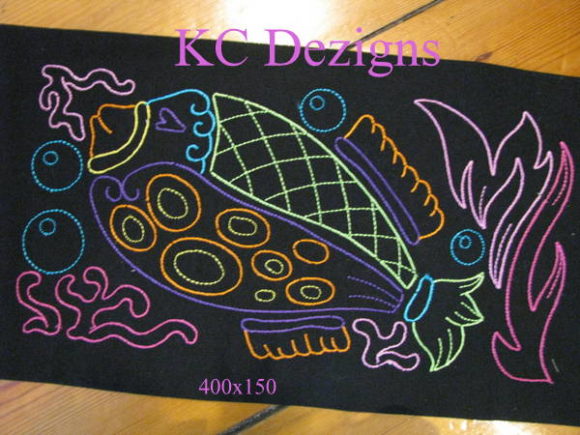
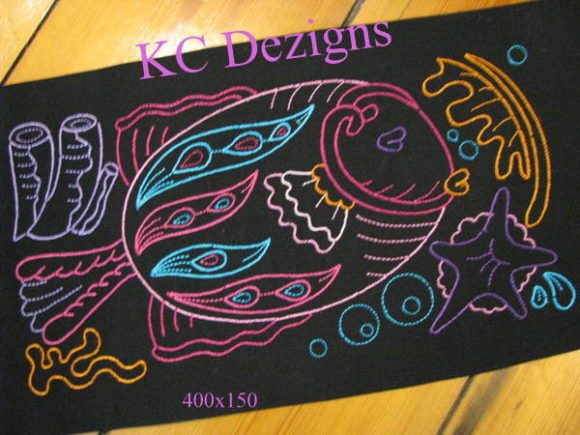
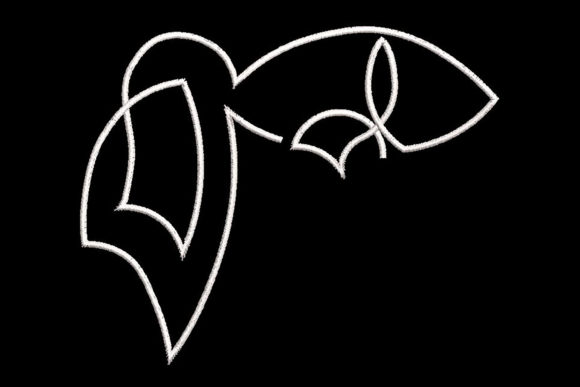
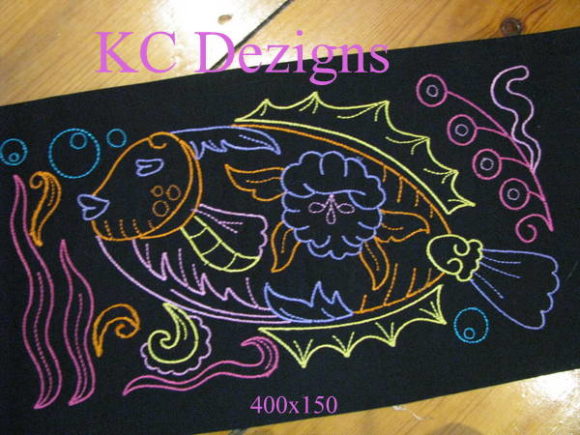
This design carries a clean, decorative, and slightly whimsical aesthetic. It is not overly cartoonish, nor is it stiff and formal. The name suggests a fish motif rendered with linework and colour blocking, and the description promises a quick stitch with four size options. That combination immediately signals versatility. I see this working equally well on a rustic linen tea towel for a farmhouse booth and on a bright cotton tote bag aimed at coastal markets. The mood is approachable, giftable, and easy to love at first glance. That is exactly the kind of reaction you want from a customer walking past your booth.
For sellers who focus on handmade product lines that feel personal yet polished, this design offers a strong starting point. It does not scream for attention, but it rewards a closer look. That quiet confidence often translates into higher perceived value, especially when the embroidery is paired with quality blanks like organic cotton totes or premium aprons.
Tote Bags and Market Bags
This is where I see Colourline Fish 10 shining brightest. A medium or large size of this design on a natural canvas tote creates an instant conversation piece. The fish motif feels organic and fresh, and the linework stitches cleanly without excessive density. For a craft fair product, tote bags are a reliable anchor item, and this design gives them a distinctive look that stands out from mass-produced screen prints. I would recommend testing the middle size first on a standard 12 by 14 inch tote to gauge placement and proportion.
Apron Embroidery
Aprons are another strong candidate. Whether you are making them for cooking enthusiasts, gardeners, or artisan bakers, an embroidered fish adds a playful yet tasteful touch. The quick stitch time means you can produce several aprons in a single batch without burning out your machine. For a small shop product line, this efficiency is gold. I would place the design on the front bib or lower pocket area, depending on the apron style.
Tea Towel Embroidery
Tea towels are a staple of any handmade market booth. They are affordable, easy to display, and giftable. Colourline Fish 10 on a linen or cotton tea towel looks charming and kitchen-ready. The design’s linework holds up well on the texture of a towel, provided you use a tear-away stabilizer and a fresh needle. I would stitch a few in different colorways to see which thread combinations catch the most customer attention.
Embroidered Patches
Patches are a low-risk, high-margin product. This design, especially in its smallest size, converts well into an embroidered patch. You can edge it with a satin stitch border and sell it as a sew-on or iron-on item. Patches are popular with younger buyers and make excellent add-on sales at the register. Just be sure to test the stitch density on patch material before committing to a batch.
Caps and Curved Surfaces
Hooping a cap is always a bit fiddly, but the smaller sizes of Colourline Fish 10 should fit comfortably on a standard cap hoop. The design does not rely on tiny details that would get lost on a curved surface, which is a relief. I would recommend using a cutaway stabilizer and a cap frame to keep the fabric taut. A fish motif on a cap reads as sporty or coastal, depending on your thread choices.
Pillow Covers and Fabric Pouches
For home decor, pillow covers are a strong category. A single fish design centered on a throw pillow adds a subtle nautical or nature-inspired accent. Fabric pouches, such as zippered cosmetic bags or pencil cases, also work well with the smaller sizes. These items are quick to stitch, easy to photograph, and ideal for Etsy sellers looking to build a cohesive collection.
Practical Selling and Production Points
One of the first things I evaluate is how easily a design reads at a glance. Colourline Fish 10 passes this test. The fish silhouette is recognizable, and the linework creates clear visual separation between elements. That means a customer walking past your booth at a busy fair will understand what they are seeing within a second or two. That instant recognition is crucial for capturing impulse buys.
The design works as both a small accent and a larger focal piece, thanks to the four included sizes. For a commercial embroidery operation, this flexibility means you can offer the same motif on multiple product types without needing to resize or distort the file. That consistency builds brand recognition across your product line.
When it comes to photography for online listings, this design performs well. The linework and color blocks create enough contrast to read clearly on a phone screen or product thumbnail. I always recommend stitching a sample on a light or medium background and photographing it in natural daylight. A well-lit printable mockup can also help you test different colorways before stitching the final product.
For batch production, the quick stitch time is a major advantage. You can produce a dozen tea towels or tote bags in a single afternoon without feeling rushed. That efficiency lets you price your finished products competitively while maintaining a healthy margin. For a digital embroidery file that you plan to use repeatedly, this is exactly the kind of performance you want.
Careful Use Notes and Technical Considerations
No design is without its quirks, and responsible testing is part of the job. Here are the specific areas I recommend checking before you commit to full production with Colourline Fish 10.
- Stitch density: While the description says it is a quick stitch, always check the stitch count in your software. High density areas can cause fabric puckering, especially on lighter materials. If you notice dense sections, consider using a cutaway stabilizer for extra support.
- Tiny details: At the smallest size, any fine lines or narrow gaps in the design may become less distinct. Stitch a test sample on scrap fabric to confirm that the details remain crisp at the size you plan to use for your products.
- Small lettering: If the design includes any text elements, verify that the lettering is legible at the intended size. Small lettering on textured fabric like towels can blur or distort.
- Thick fabric: On heavyweight materials like denim or canvas, you may need to increase the needle size and use a heavier stabilizer. Test the design on a swatch of your actual product fabric before stitching a full run.
- Textured towels: Tea towels with a loose weave or terry surface can shift during stitching. A water-soluble stabilizer on top of the fabric helps keep the stitches clean and even.
- Curved cap surfaces: As mentioned earlier, caps require careful hooping and a cap frame. Avoid the largest size on caps, as it may extend beyond the curved area and cause distortion.
- Dark fabric: If you plan to stitch on dark or black fabric, consider using a white or light-colored thread underneath as a base layer to prevent the fabric from showing through. Light thread colors on dark backgrounds can also lose contrast, so test your thread choice carefully.
- Clarity at smaller sizes: The smallest size may lose some of the design’s character if the stitch count is too low. Always preview the design at actual size in your embroidery software before hooping.
Visual Appeal, Customer Attention, and Booth Strategy
At a craft fair, every product competes for a split second of attention. Colourline Fish 10 holds its own because the design is balanced and not overly busy. It does not overwhelm the product, but it also does not disappear into the fabric. When displayed on a tote bag or apron, it creates a natural focal point that draws the eye.
I recommend grouping several products with this design together on your booth table. For example, place a tote bag next to a tea towel and a fabric pouch, all stitched with the same fish motif in coordinating thread colors. That visual repetition signals to the customer that this is a cohesive collection, not a one-off experiment. It also makes your booth look more professional and curated, which directly supports higher perceived value.
Customers often ask if a design is available in other products. If you have multiple items with the same embroidery, you can say yes and point to the display. That cross-selling opportunity is exactly what drives average order value up at a market. For a handmade product seller, building a small ecosystem around a single design is a smart strategy.
For Etsy sellers, listing multiple products with the same embroidery design creates a themed shop section. Buyers who are drawn to the fish motif can browse through your shop and find several options, increasing the likelihood of a sale. Use consistent photography styling across those listings to reinforce your brand identity.
Practical Embroidery Designer Notes
Before you stitch a single product for sale, take the time to run through this checklist. I have learned these lessons the hard way, and I share them so you can skip the frustration.
- Test the design on scrap fabric that matches your product blanks. This is non-negotiable. Fabric behaves differently than the virtual preview in your software.
- Check thread contrast by holding your chosen thread colors against the fabric in natural light. Some combinations that look good on screen turn muddy in real life.
- Review spacing and placement on each product type. A design that looks perfect on a flat towel may feel too high or too low once the towel is folded or hung.
- Confirm hoop size compatibility for each size of the design. Make sure you have the right hoop for the largest size you plan to stitch.
- Inspect stitch density in your software. If the design has any areas with very dense stitching, consider using a lighter density setting or a different stabilizer.
- Use the right stabilizer for each fabric type. Cutaway for knits and stretchy fabrics, tear-away for wovens, and water-soluble for delicate or textured materials.
- Create at least one real mockup of your best-selling product with this design. Photograph it and use it in your Etsy listings and social media posts. A real mockup outsells a digital mockup every time.
- Compare fabric colors against your thread palette. A design that looks great on white may not pop on cream or gray. Test a few combinations.
- Confirm commercial licensing before you sell any finished products. The product description indicates this is a design that stitches out beautifully, but you must verify that your license allows you to sell the embroidered items. Most reputable machine embroidery design sellers include a commercial use license, but always double-check.
Final Thoughts on Colourline Fish 10 for Your Business
I have reviewed hundreds of embroidery designs over the years, and Colourline Fish 10 stands out as a genuinely useful addition to a craft fair seller’s digital library. It is not a trend-driven design that will feel dated in six months. It is a classic, natural motif that appeals to a wide range of customers, from coastal decor lovers to gift shoppers looking for something unique.
The quick stitch time, four size options, and clean linework make it practical for batch production. The visual appeal and versatility make it easy to sell across multiple product categories. Whether you are a seasoned embroidery business owner or a Cricut and embroidery crafter just starting your shop, this design gives you a solid foundation for building a profitable product line.
Stitch a sample, test it on your favorite blanks, and see how it performs at your next market. I think you will be pleased with how it sells, and more importantly, how it makes your booth look. That is the kind of design asset every small shop product maker deserves.