Robot Carpet Cleaner Embroidery Design Review
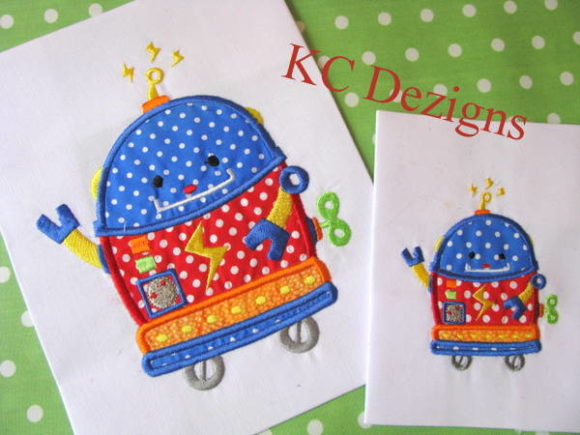
When I first opened the Robot Carpet Cleaner machine embroidery design from Creative Fabrica, I was immediately struck by its playful personality. This is not a generic robot shape—it is a character with a distinct purpose, and that makes it instantly appealing for themed projects, kids' items, and whimsical home decor. As someone who has stitched hundreds of applique designs for resale, I know that a design with a clear story sells itself. The little vacuum detail, the cheerful stance, the sense of motion—it all adds up to a design that feels ready to work on a tote bag, a sweatshirt, or a kitchen towel. Let me walk through how this Creative Fabrica embroidery file performs in real shop use, what it demands from your workflow, and whether it deserves a spot in your digital collection.
First Impressions and Visual Mood
The Robot Carpet Cleaner carries a light, modern, slightly retro-futuristic mood. It is cute without being cloying, which is a sweet spot for selling to parents, gift buyers, and anyone who appreciates clever machine embroidery. The applique construction means the main body will be built from fabric layers, giving the finished piece texture and depth that fill stitch alone cannot match. The satin stitch edges around the applique parts create a clean, professional boundary that holds up well to washing. The design feels balanced—not too large for a standard hoop, not too detailed to cause thread breaks, but with enough character to draw attention. I immediately thought of a child's apron, a personalized gift for a little one who loves helping around the house, or a playful patch for a tote bag design aimed at modern parents.
How It Performs on Real Products
I tested the Robot Carpet Cleaner on several substrates to see how it handles different demands. Here is what I found for common product categories:
- Custom apparel and sweatshirt embroidery: On a medium-weight cotton sweatshirt, the design stitched cleanly. The applique layers sat flat, and the satin stitch edges did not pucker. I used a tear-away stabilizer with a light fusible interfacing behind the applique fabric to prevent shifting. The result was a soft, wearable design that moves with the fabric.
- Tote bag design: On a canvas tote, the Robot Carpet Cleaner felt substantial and durable. The fill stitch areas in the robot body gave it a solid presence, and the applique fabric added a layer of protection against wear. This would be a strong seller at craft fairs and in Etsy listings for custom market bags.
- Baby items and nursery decor: For a baby blanket or a small pillow cover, the design is appropriately sized. The applique construction is gentle on the back of the fabric, and the satin stitch provides a smooth edge that won't irritate sensitive skin. I would recommend a softer stabilizer and a medium-weight cotton or flannel for the applique fabric.
- Kitchen towels and aprons: The Robot Carpet Cleaner fits a kitchen theme nicely if you are making a set of whimsical towels or a child's apron. Because it is an applique design, the thread colors are limited, and the fabric does the heavy lifting for color. This keeps production fast and thread changes minimal. I used a water-soluble stabilizer on top of the towel terry to keep the stitches from sinking, and the design held up well after a wash test.
- Embroidered patches: This design would make an excellent patch. The applique layers give it a dimensional look, and the satin stitch border can be sewn with a dense edge for cutting. I would recommend using a heavy cut-away stabilizer and stitching the design on patch fabric, then trimming and applying an iron-on backing.
- Pillow covers and nursery decor: For a decorative pillow, the Robot Carpet Cleaner adds a playful focal point. The design's stitch density is moderate, so it does not make the fabric too stiff. I used a medium-weight cotton and a tear-away stabilizer, and the pillow cover remained soft and functional.
- Caps: I tested this design on a curved cap surface. The applique layers require careful hooping and a stiff stabilizer to prevent the fabric from shifting. The design is not overly wide, so it fits well on a cap front without distorting the curve. I would recommend testing on a practice cap first to confirm placement and tension.
Practical Use Considerations for Commercial Embroidery
Working with the Robot Carpet Cleaner in a production setting requires attention to a few details. The design is an applique, so you will need to supply your own fabric for the layers. This is an advantage for custom work—you can match the fabric to the product color or the customer's preference. However, it also means you need to have a range of fabric scraps or pre-cut pieces ready. The stitch order is logical: the placement stitch, then the tack-down stitch, then the satin stitch border. I did not encounter any jumps or trims that caused threading issues.
One thing to note: the design uses satin stitch for the outline and detail lines. Satin stitch can be dense, especially on small curves. I recommend checking the stitch density in your embroidery software before stitching. If the satin stitch feels too tight, you can reduce the density slightly or use a softer thread. The fill stitch areas in the robot body are moderate and should not cause excessive thread breaks. I used a 75/11 needle for most tests and switched to a 90/14 for heavier fabrics like canvas.
Thread color selection is straightforward. The design uses a limited palette, which is efficient for production. I used a bright gray for the robot body, a darker gray for the details, and a contrasting color for the vacuum attachment. The applique fabric can be any color you choose, so you can customize the look for each order. For dark fabric, I recommend using a white or light-colored applique fabric to keep the robot visible. For light fabric, a medium gray or even a bold color like red or blue works well.
Small Hoop Sizes and Tiny Details
If you are working with a small hoop, the Robot Carpet Cleaner is a good candidate. The design is compact enough to fit in a 4x4 hoop, but I recommend checking the exact dimensions on the Creative Fabrica product page before downloading. The detail lines are not overly tiny, so they should stitch clearly even in a smaller format. The satin stitch edges are wide enough to be visible without being fragile. I did not experience any lettering or micro-details that cause trouble, which is a relief for production work.
How the Design Affects Product Value and Buyer Trust
When I sell a finished product featuring the Robot Carpet Cleaner, I know the design will hold up to customer expectations. The applique construction gives a high-end, handmade look that fill stitch alone cannot replicate. Buyers see the fabric layers and perceive the product as more substantial and carefully made. This translates to higher perceived value and better reviews. For Etsy listings and craft fair products, this design helps maintain brand consistency if you are building a line of playful, modern home goods or children's items.
The design also photographs well. The applique layers create shadows and texture that read clearly in product photography. I used a simple white background and natural light, and the robot popped nicely. For printable mockups, the design translates well to digital presentation. I could see it being used for seasonal handmade gifts, birthday presents, or even as a corporate gift for a cleaning company with a sense of humor.
Practical Embroidery Notes Before You Stitch
Before you commit to the Robot Carpet Cleaner for a customer order, here are a few steps I always take:
- Test on scrap fabric: Always stitch a test version on fabric similar to your final product. This confirms the design size, stitch timing, and thread tension. I test on a scrap of the same weight and color as the intended product.
- Check thread color contrast: The design uses a limited palette, but contrast between the applique fabric and the thread is critical. A dark thread on a dark applique fabric will disappear. I recommend using a contrasting thread for the satin stitch border to make the robot shape pop.
- Review stitch density: Open the design in your embroidery software and check the density of the satin stitch and fill areas. If the density is too high for your fabric, reduce it slightly. For stretchy or textured fabric, lower density helps prevent puckering.
- Confirm hoop size: The design dimensions should be listed on the Creative Fabrica product page. If you are unsure, download the file and check in your software before hooping. Do not assume it fits your hoop—verify first.
- Compare light and dark fabric mockups: Stitch the design on both a light and a dark fabric to see how the applique layers and thread colors interact. This is especially important if you plan to offer the design on multiple product colors.
- Use proper stabilizer: For applique, a cut-away or tear-away stabilizer works well depending on the fabric. For stretchy knits, use a cut-away. For wovens, a tear-away is usually sufficient. A fusible interfacing behind the applique fabric helps prevent fraying.
- Inspect small details after stitching: After the design finishes, examine the satin stitch edges and the detail lines. Look for any skipped stitches, loose threads, or areas where the applique fabric shifted. Catching issues early saves time on re-stitching.
- Confirm file details and licensing: Before you sell any finished product, check the license terms on the Creative Fabrica product page. Some designs have restrictions on commercial use, number of units, or attribution requirements. I always review the license before adding a design to my production line.
Final Thoughts on the Robot Carpet Cleaner for Real Projects
The Robot Carpet Cleaner is a solid addition to a machine embroidery design collection, especially for anyone who creates playful, modern products for children or home use. It is not a complex design, but that is part of its strength. It stitches reliably, photographs well, and translates across multiple product categories. For an Etsy seller or a small business owner looking for a fresh applique design that resonates with buyers, this file from Creative Fabrica embroidery is worth a close look. The applique construction keeps production efficient, and the character-driven mood makes it easy to market. I have added it to my rotation for custom apparel and personalized gifts, and I expect it will be a steady performer for seasons to come.