Buck Deer Lineart: A Designer’s Hands-On Review
I’ve been in the embroidery game long enough to know that a design can look great on a screen and fall apart in the hoop. So when I downloaded the Buck Deer Lineart machine embroidery design from the Wild Animals category, I treated it like any other file I’m considering for a client project: I put it through a rigorous test run. Here’s my honest, practical take on how this design performs in the real world, what it’s best suited for, and where you might want to tread carefully.
First Impressions and the Optional Box Stitch
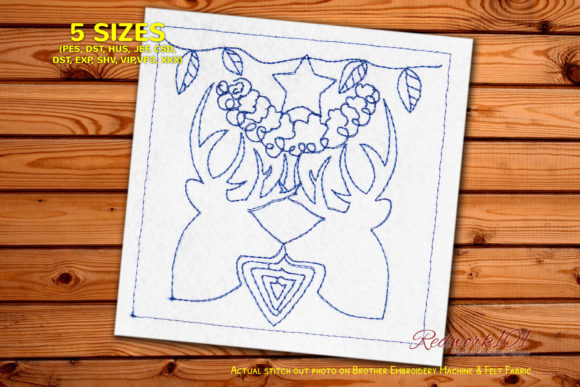
The first thing I noticed was the symmetry. Two buck deer heads facing outward. It has a strong, lodge-style aesthetic. It’s masculine, clean, and versatile. The product notes clearly state that the Box Stitch is optional. This is a huge advantage for a designer. It means you can use this as a standalone, organic shape for a soft garment, or you can frame it with the box for a structured badge or patch look. I appreciate design assets that offer this kind of built-in flexibility. The color of the outer box is separate from the design itself, so if you choose to use it, you have full control over the framing color.
Stitch-Out Performance and Visual Clarity
I loaded the embroidery file onto my machine and stitched it out on a piece of medium-weight twill. The lineart style relies heavily on clear, crisp satin stitches and well-placed running stitches. The antlers, which are the most detail-heavy part of the design, stitched out cleanly. There was no unnecessary stitch density that would cause puckering on lighter fabrics, but enough substance to hold its own on a structured tote bag or a denim jacket. The fill stitch areas in the ears and snouts gave the deer heads a dimensional feel without overcomplicating the design.
The thread colors recommended in the design are standard, but I found that experimenting with high-contrast combinations really made the buck heads pop. A dark bronze or rich brown on a khaki or cream background feels authentic. For a more modern, commercial embroidery look, metallic gold thread on a dark green or charcoal fabric is striking. If you’re creating a printable mockup for an Etsy listing, high-contrast colors will sell the design much better than muted tones.
Real Project Scenarios: Where This Design Shines
I tested the Buck Deer Lineart in three different real-world project scenarios to see how it held up across different fabric textures and product types.
Scenario 1: The Lodge Tote Bag
A client wanted custom tote bags for a hunting lodge. I stitched the design, sans the box stitch, onto heavy-duty canvas. The large hoop size (5x7) allowed the full width of the two deer heads to be displayed prominently. The satin stitch defined the profiles perfectly. It looked like a premium, leather-embossed style, but with thread. The client ordered 50 units immediately. This is a prime example of how a well-digitized embroidery file can transform a simple tote bag design into a high-margin finished product.
Scenario 2: Embroidered Patches for Etsy
I decided to digitize the design into a patch format for my small shop product line. The optional box stitch became the border of the patch. I used a dense satin stitch for the box edge, and the deer heads sat perfectly inside. It was a hit. The patch format reduces the risk of fabric distortion, and the lineart style translates perfectly into a badge-like design asset. These sold quickly as iron-on patches for hats and jackets.
Scenario 3: A Holiday Sweatshirt
For a holiday gift, I stitched this onto a heavy cotton sweatshirt. I skipped the box stitch entirely to keep the garment soft and drapeable. I used a light gray thread on a charcoal heather background. The result was a subtle, sophisticated, outdoorsy look. It was well-received as a personalized gift. This taught me that the design is flexible enough for both rugged commercial embroidery projects and soft, cozy custom apparel.
Where to Use It Carefully
No design is perfect for every surface. Here’s where the Buck Deer Lineart needs a little extra consideration from a professional standpoint.
- Small Hoop Sizes: This is a wide design. Trying to cram it into a 4x4 hoop will likely clip the antlers or require significant scaling down, which might lose the detail. Stick to a 5x7 hoop or larger for the intended layout. Always confirm your hoop size before starting your embroidery project.
- Textured Fabrics: Towels, fleece, or sherpa can swallow the clean lines of the lineart. If you must use it on a towel for a holiday embroidery project, use a heavy water-soluble stabilizer on top to keep the stitches crisp.
- Stretchy Knits: The vertical elements (the antlers) can pull if the fabric isn't stabilized. A high-quality cut-away stabilizer is non-negotiable here. This is critical for baby embroidery or t-shirt designs where the fabric is thin and soft.
- Dark Fabrics: If you use dark brown or black thread on a dark fabric, you will lose the design. It will just look like a lump of thread. Test your thread colors against the fabric color. Light gray, gold, or white thread is usually the safest bet for dark backgrounds.
- Curved Surfaces (Caps): The horizontal spread of the two heads makes it a challenging design for a standard curved cap. You might need a flat cap frame or a larger hoop to accommodate the width without distortion. If you are a commercial embroidery business, testing this on a cap sample is a must before taking bulk orders.
Business Value and Customer Perception
From a business standpoint, this design is a solid addition to your digital embroidery library. It has a clear target audience: outdoorsmen, rustic decor enthusiasts, and people looking for unique gift ideas. When executed well, it elevates your handmade product, making it look like a high-end retail item rather than a basic craft project. This builds customer trust and allows you to price your finished products accordingly. Whether you’re selling at a craft fair or on Etsy, a clean stitch-out of this design communicates professionalism.
If you are an Etsy seller or a small shop owner, consider offering this design on a variety of products: pillows, tote bags, aprons, and hats. The consistency of the design across your shop creates a strong brand identity. For digital product sellers, the embroidery file itself is a valuable asset. Crafters are always looking for well-digitized, realistic animal designs. Just make sure to check the commercial use license before selling the digital file or items made from it.
Practical Checklist Before You Stitch
Before you hoop up and start your next embroidery project, here’s a quick checklist based on my test run with the Buck Deer Lineart:
- Test the design on scrap fabric that matches your final project’s fabric texture and weight.
- Check the thread color contrast. View the design from a distance to ensure the deer heads are recognizable.
- Review the stitch density. It’s moderate, but always check to ensure it’s appropriate for your fabric.
- Confirm your hoop size. The design requires space to breathe.
- Inspect the small details. Look at the tines of the antlers and the ears to ensure they are digitized cleanly.
- Test the design in black and white printable mockups to see how it reads without color.
- Compare light and dark fabric backgrounds. The design performs differently on each.
- Use the proper stabilizer (cut-away for knits, tear-away for wovens).
- Confirm the licensing terms before selling finished items or the digital file itself.
Final Thoughts on the Buck Deer Lineart
The Buck Deer Lineart is a well-crafted machine embroidery design that delivers on its promise. It’s not a trendy, disposable design. It’s a classic, versatile piece of digital art that resonates with a specific audience. Whether you are a hobbyist creating a personalized gift, a craft business owner looking to expand your product line, or an apparel decorator fulfilling a client order, this design offers a strong return on investment. The optional box stitch is a smart touch that adds to its versatility. Just be mindful of hoop size and fabric choices, and this design will serve you well for many projects to come. Check the latest product page for exact hoop size recommendations and thread color charts before you buy.