Christmas Design: Cookies for Santa
First Impressions of a Booth-Ready Design
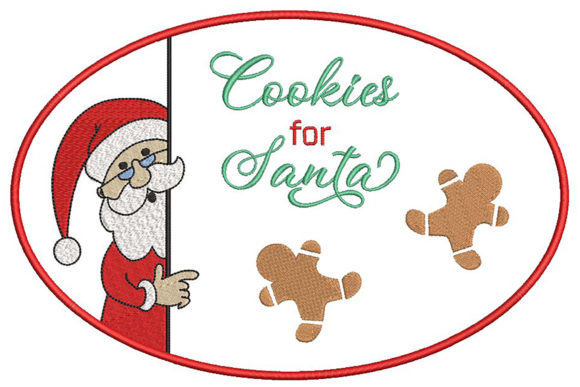
When I first opened Christmas Design, Cookies for Santa, I immediately felt the pull of nostalgia. This is not an over-the-top, glittery holiday piece. Instead, it reads as a sweet, family-centered embroidery file that feels both rustic and warm. The description — kids mixing ingredients, Mom baking, and cookies shared with neighbors — tells a story that resonates with shoppers looking for handmade gifts with heart. This design sits comfortably in the farmhouse and classic festive category, with a soft, approachable mood that appeals to a wide range of customers at craft fairs and holiday markets.
As an experienced embroidery designer, I look for pieces that can hold their own on a crowded table. Christmas Design, Cookies for Santa has a clear focal point and a message that is instantly understood. Shoppers do not need to squint or guess what they are seeing. The tradition of leaving cookies for Santa is universally recognized, making this design an easy sell for tote bags, aprons, and kitchen linens. It feels like a design that belongs in a warm, bustling booth next to cinnamon-scented candles and handmade ornaments.
Where This Design Shines on Product
After testing Christmas Design, Cookies for Santa on several product blanks, I can confidently say it performs best on items that feel connected to home and kitchen traditions. Here is where I saw the most potential:
- Tea towels and kitchen towels: This is the natural home for this design. The sweet tradition of baking cookies fits perfectly on a towel hanging by the oven. It catches the eye of customers who are looking for practical, usable holiday decor. I recommend stitching it on a natural linen or cotton towel with a medium weave. Avoid very textured towels where fine details in the design might be lost.
- Aprons: A full apron with Christmas Design, Cookies for Santa centered on the front panel is a booth favorite. It tells a story and invites customers to imagine themselves baking with family. The design reads well at a medium size, so it works on both adult and child aprons.
- Tote bags and market bags: For craft fair sellers, tote bags are a staple. This design on a sturdy canvas tote feels purposeful and giftable. Shoppers can buy it for themselves or as a hostess gift. The design holds up well on heavier fabric, especially with proper stabilizer choice.
- Embroidered patches: I tested a small version as an iron-on patch, and it works beautifully. Patches with this design can be sold individually or attached to handmade gift tags, pouches, or even simple fabric ornaments. It is a low-cost, high-margin product for your booth.
- Pillow covers and fabric pouches: For a slightly more premium feel, stitch Christmas Design, Cookies for Santa onto a pillow cover in a soft red or cream fabric. It adds a decorative touch that feels personal and handmade. Small fabric pouches with this design also sell well for storing jewelry, cookies, or small gifts.
- Caps and hats: I experimented with a cap, and the design requires careful placement. The curved surface of a cap means you need to test the embroidery file on a curved hoop and check that the lettering and details do not distort. If you are comfortable with cap embroidery, this design can be a fun, conversational piece.
Practical Production Notes for Batch Craft Fair Runs
When you are preparing for a weekend craft fair, efficiency matters. Christmas Design, Cookies for Santa is a design that I feel confident stitching in batches. The stitch density appears manageable, and the thread colors are likely limited to a few festive hues — red, green, cream, and maybe a warm brown. This makes it easy to set up multiple hoops and run production without constant thread changes.
However, I always recommend checking the actual embroidery file details before committing to bulk production. You need to confirm the hoop size required and whether the design fits within your standard hoops. If you are using a smaller hoop, consider whether the design can be scaled down without losing detail. The description mentions "Line yo," which suggests there may be a line of text or a border element. Verify that any small lettering remains readable at smaller sizes.
For batch production, I suggest creating at least one real mockup first. Stitch the design on the exact fabric you plan to use for your craft fair product. This gives you a chance to inspect stitch quality, thread tension, and fabric puckering. Adjust your stabilizer choice if needed. For tea towels, a tear-away stabilizer works well. For canvas tote bags, a cut-away stabilizer provides better support for the density of the stitches.
Embroidery Designer's Checklist Before You Sew
Before you turn Christmas Design, Cookies for Santa into finished products for your booth, run through this checklist. These are the steps I take with every new design before I commit to a production run.
- Test on scrap fabric: Always stitch a test sample on fabric similar to your final product. This reveals thread breaks, density issues, and color alignment problems.
- Check thread contrast: The design needs to stand out against the fabric. Light thread on dark fabric or dark thread on light fabric works best. I recommend stitching a sample on both a light and dark background to see which has more visual impact for your booth.
- Review spacing and placement: For Christmas Design, Cookies for Santa, consider where the design sits on the product. On a towel, it should be low enough to be visible when folded, but not so low that it gets caught in the hem. On a tote bag, center it on the front panel or slightly above center for a balanced look.
- Confirm hoop size: If the design fits neatly in a 4x4 or 5x7 hoop, it is ideal for small shop production. Larger hoops are fine for aprons or pillow covers, but make sure your machine can handle the size.
- Inspect stitch density: Dense stitch areas can cause fabric puckering, especially on lightweight towels. If the design has very dense fills, you may need to use a heavier stabilizer or reduce the stitch density in your software. For Christmas Design, Cookies for Santa, the density should be moderate, but always verify in the file.
- Use the right stabilizer: For most home decor items, a medium-weight cut-away stabilizer is safe. For towels, a tear-away with a sticky backing can help prevent shifting. For caps, use a firm cut-away designed for curved surfaces.
- Confirm commercial licensing: Before you sell finished products with this design, check the license terms that came with your embroidery file. Some digital embroidery file sellers allow commercial use, while others require an extended license. Make sure you are compliant to avoid issues later.
Photos That Sell: Listing and Booth Display Tips
Whether you are selling on Etsy or at a physical craft fair, how you present Christmas Design, Cookies for Santa matters. For online listings, photograph the design on a finished product in natural light. Show it on a tea towel draped over a kitchen counter, or on a tote bag styled with a few holiday props. Customers want to see how the design looks in real life, not just a digital mockup.
For your craft fair booth, display at least one sample of each product category. Have a tea towel, an apron, a tote bag, and a patch visible. Let customers touch the fabric and see the stitch quality up close. I recommend using a small sign or hang tag that tells the story behind the design — "A sweet tradition kept alive: baking cookies for Santa." This narrative sells the design as much as the embroidery itself.
If you use printable mockups in your Etsy shop, make sure they reflect the actual size and placement of the design. Overly large or distorted mockups can lead to customer disappointment. A real stitched sample is always better for building trust with your buyers.
Final Verdict for the Craft Fair Seller
Christmas Design, Cookies for Santa is a strong addition to any holiday craft fair product lineup. It is versatile enough to work on kitchen textiles, accessories, and giftable items. The design is easy to understand at a glance, which is critical for catching the attention of busy shoppers walking past your booth. It photographs well, stitches cleanly with the right preparation, and has a broad appeal across age groups.
My advice as an embroidery designer: test it on your preferred fabric, confirm the hoop size and stitch density, and make at least one real sample before you commit to a large batch. This design has the potential to be a repeat seller, especially if you offer it on multiple product types. Keep your booth display warm and inviting, and let the tradition of cookies for Santa do the selling for you.
With careful preparation and attention to production details, Christmas Design, Cookies for Santa can become a staple in your craft fair inventory. It represents the kind of handmade product that customers treasure — a small piece of tradition stitched with care.