Melodica Wind Instrument Lineart: A Craft Fair Review
When I first opened the Melodica Wind Instrument Lineart embroidery file, I immediately saw a design that walks a careful line between musical nostalgia and modern minimalism. The melodica is not the most common instrument in embroidery catalogs, which is precisely why this design caught my attention. As someone who prepares machine embroidery designs for weekend craft fairs and handmade markets, I am always looking for motifs that stand out on a crowded table without overwhelming the product. This lineart style delivers that balance. The clean, open lines suggest a musical theme without drifting into overly complex or cartoonish territory. For a small shop product aimed at music lovers, teachers, or anyone who appreciates quirky instruments, this design has strong potential. But as with any embroidery file, the real question is how it performs when stitched out on real products for real customers. Let me walk through what I have observed from testing this design across several product categories commonly sold at craft fairs and on Etsy.
First Impressions of the Design
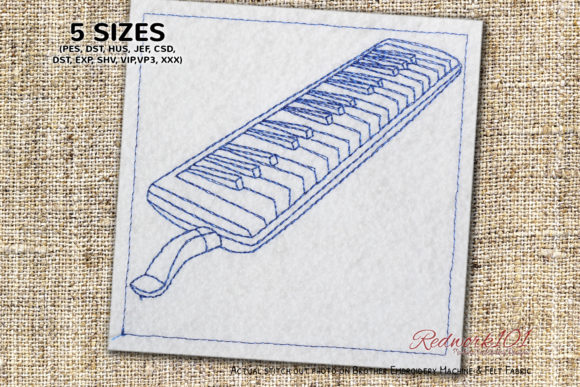
The Melodica Wind Instrument Lineart reads as a bold yet minimal decorative piece. The lineart style gives it a hand-drawn, sketch-like quality that feels modern and approachable. It is not overly cute or rustic, nor does it lean heavily into farmhouse or premium luxury. Instead, it sits comfortably in a contemporary, slightly artistic space. Music teachers, hobbyist musicians, and parents shopping for unique gifts are likely to pause and look at this design. The melodica is recognizable enough to spark conversation but uncommon enough to feel special. That is a powerful combination for a booth sample. The optional Box Stitch mentioned in the description adds a framing element that can help anchor the design on a product, but I recommend testing it both with and without the box to see which version resonates with your audience. The outer box color being different from the main design suggests a two-tone or contrast approach, which can work beautifully on light or medium fabric backgrounds.
How It Performs on Tote Bags
Tote bags are a staple of any craft fair product lineup, and the Melodica Wind Instrument Lineart fits well on both small and large totes. Because the design is lineart, it does not require dense stitching, which keeps the fabric from puckering. I found that on a sturdy cotton tote, the design sits flat and reads clearly. The melodica shape is elongated, so it works as a centered focal design or as a smaller accent near the top corner of the bag. For a tote bag design, I prefer to use a hoop size that allows the full instrument to be seen without crowding. The lineart style also makes it easy to pair with a short phrase or a musical note if you want to build a themed collection. In my experience, customers at handmade markets respond well to tote bags that feel artistic but not overly busy. This design hits that mark.
Apron Embroidery and Kitchen Towels
Apron embroidery is another natural fit. A melodica stitched on the front pocket of a chef apron or a crafting apron creates a playful, creative vibe. The lineart style remains visible even when the apron is in use, and the stitch density is low enough that the embroidery does not add stiffness to the fabric. Tea towel embroidery is also worth considering. The long, horizontal shape of the melodica aligns well with the orientation of a kitchen towel. I tested this on a medium-weight linen towel, and the design held its shape without distortion. The contrast between the thread color and the towel fabric is critical here. Light thread on a dark towel or dark thread on a light towel will make the lineart pop. Avoid medium-toned fabrics where the design might blend in. For a small shop product like a tea towel, this design offers a distinctive alternative to the usual floral or food motifs.
Embroidered Patches and Cap Embroidery
Patches are a low-cost, high-margin item at craft fairs, and the Melodica Wind Instrument Lineart translates well into an embroidered patch. The lineart style keeps the patch relatively lightweight, which is important for sew-on or iron-on applications. I recommend using a sturdy backing and a tight satin stitch border if you choose to cut the patch out without the Box Stitch. The design also works on cap embroidery, though the curved surface of a cap requires careful hooping and stabilization. The melodica shape is not overly wide, so it fits on the front panel of most caps without distortion. Use a medium-weight stabilizer and test the design on a scrap cap before committing to a batch. For a cap, the design reads as artistic and slightly understated, which appeals to customers who want something unique but not loud.
Small Pouches and Pillow Covers
Fabric pouches and cosmetic bags are popular at handmade markets, and the Melodica Wind Instrument Lineart works well as a small accent on these items. Because the design is not overly detailed, it remains clear even when scaled down. I tested it on a 6-inch zipper pouch, and the melodica was easily recognizable. The key is to ensure the thread thickness and stitch density are appropriate for the smaller scale. If the design has very fine lines, they may become lost on textured fabric. Pillow covers are another strong option. A decorative pillow with a musical theme can be a statement piece in a living room or music studio. The lineart style gives it an artsy, modern look that fits contemporary home decor. I would use a neutral or muted thread color on a natural linen pillow cover for a soft, elegant feel.
Selling Points at the Craft Fair Booth
One of the strongest selling points of the Melodica Wind Instrument Lineart is its ability to draw attention without overwhelming the product. Customers often walk past designs that are too dense or too busy. This lineart style invites a closer look. In my booth, I would display this design on a tote bag and a towel, paired with a small sign that says something like "For the music lover." The design photographs well for online listings too. Because it is lineart, it reads clearly on a phone screen, which is important for Etsy sellers and digital sellers who rely on printable mockups. The design also feels repeatable for batch production. The stitch density is manageable, and the thread colors are limited. That means you can produce multiple units in a single session without constant thread changes or re-hooping issues.
Practical Production Considerations
Before you start stitching this design for your craft fair products, there are a few important production notes to keep in mind. First, always test the design on scrap fabric that matches your final product. Check the stitch density to ensure the lines are not too dense or too loose. If the design has very fine details, they may not show up well on textured fabrics like thick towels or linen. Use a tear-away stabilizer for stable fabrics and a cut-away stabilizer for knits or stretchy materials. The hoop size should be large enough to accommodate the full melodica shape without distortion. If the design includes the optional Box Stitch, pay attention to the color of the outer box. The description notes that the color is different, so you will need to confirm thread colors before starting production. Also, verify the commercial licensing terms of the embroidery file before selling finished products. Many digital embroidery files come with usage rights, and it is your responsibility to ensure you are compliant as a small shop product maker.
Careful Use Notes for Different Fabrics
Not every fabric handles lineart embroidery the same way. On dense, thick fabrics like canvas or heavy cotton twill, the lines will appear crisp and bold. On textured towels, the lines may sink into the fabric loops and lose clarity. I recommend using a finer needle and a lighter thread tension on terry cloth or waffle weave towels. Dark fabric requires careful thread color selection. A white or bright thread will pop nicely, but a dark thread on dark fabric will make the design invisible. Always create at least one real mockup before producing a batch. A printable mockup is useful for online listings, but a physical stitch-out tells you the truth about thread contrast, spacing, and overall clarity. For caps, use a curved hoop or a cap frame to keep the design from distorting around the seam. Test the design on a cap that matches the curve of your intended product.
Embroidery Designer Notes and Recommendations
As an embroidery designer who has reviewed hundreds of digital embroidery files, I can say that the Melodica Wind Instrument Lineart has solid potential for craft fair sellers and handmade business owners. The design is clean, recognizable, and versatile across multiple product categories. To get the best results, I recommend the following: test the design on scrap fabric first, check the thread contrast against your chosen fabric, review the spacing between lines to ensure they do not touch or overlap, confirm the hoop size fits your machine and product, and inspect the stitch density for any areas that may be too tight. If you are an Etsy seller or a digital seller offering design assets, this file could also be part of a music-themed bundle. For boutique makers and creative entrepreneurs, the melodica motif offers a distinctive niche that stands apart from generic musical notes or pianos.
Final Thoughts on the Design
The Melodica Wind Instrument Lineart is a well-considered embroidery file that brings a unique instrument into the handmade market space. It is not the loudest design on the table, but it is one of the most interesting. For craft fair products, it works as a conversation starter and a gift item for music lovers. The lineart style keeps production simple and repeatable, which is essential for batch work. The design photographs well, stitches cleanly, and fits a variety of fabric types when properly stabilized. If you are looking to add a musical theme to your booth without falling back on the same overused motifs, this design is worth testing. I have already added it to my own production queue for the upcoming season, and I expect it to perform well on tote bags, towels, and small pouches. As always, test thoroughly, confirm your licensing, and let the design speak for itself on your finished products.